Some of the most beautiful work of this craftsman, and many others, are in this book “Liège Gunmakers through their Work. 1800 - 1950”.
For more detail see: LIEGE GUNMAKERS
SOLEIL Léonard
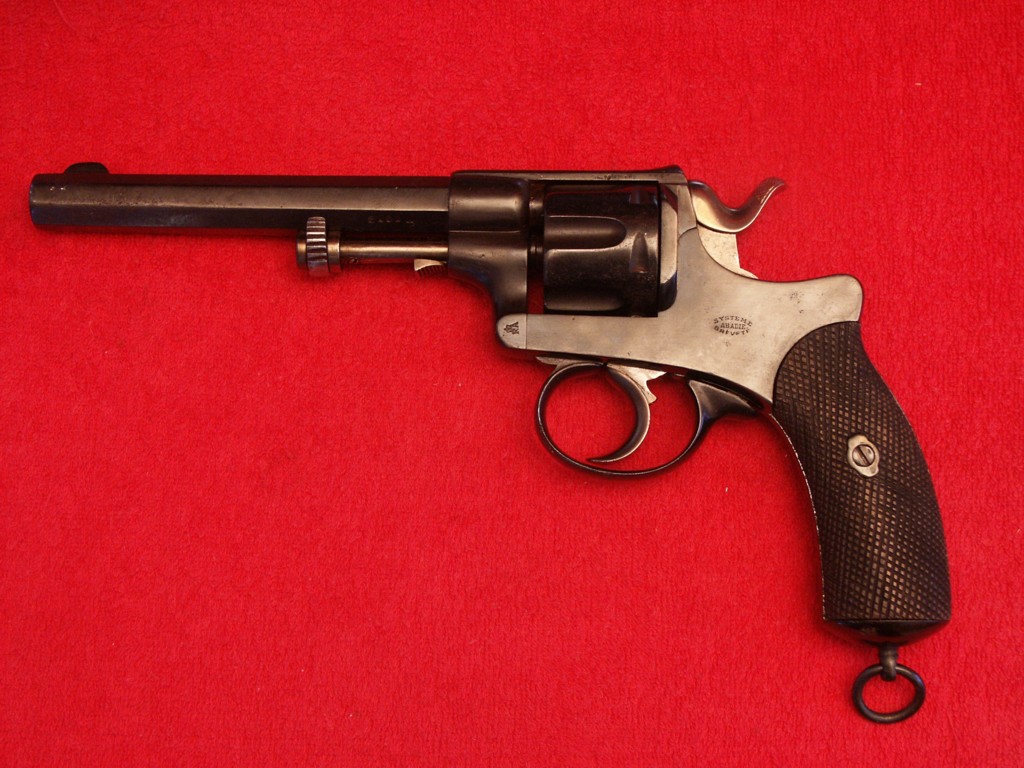
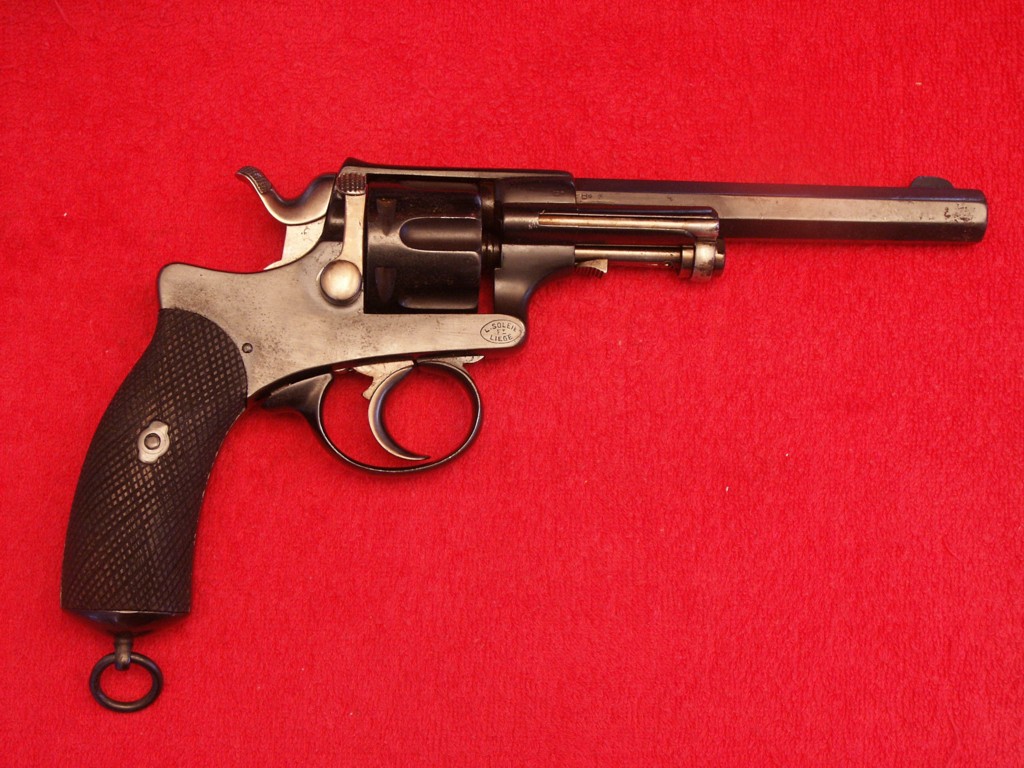
This is a
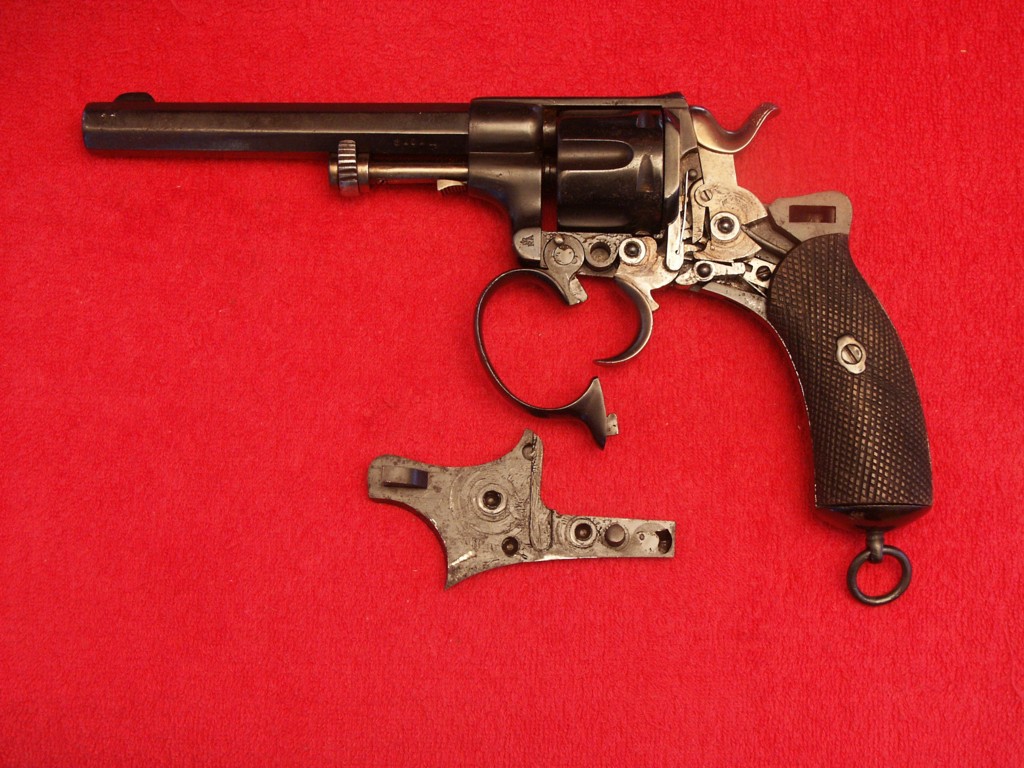
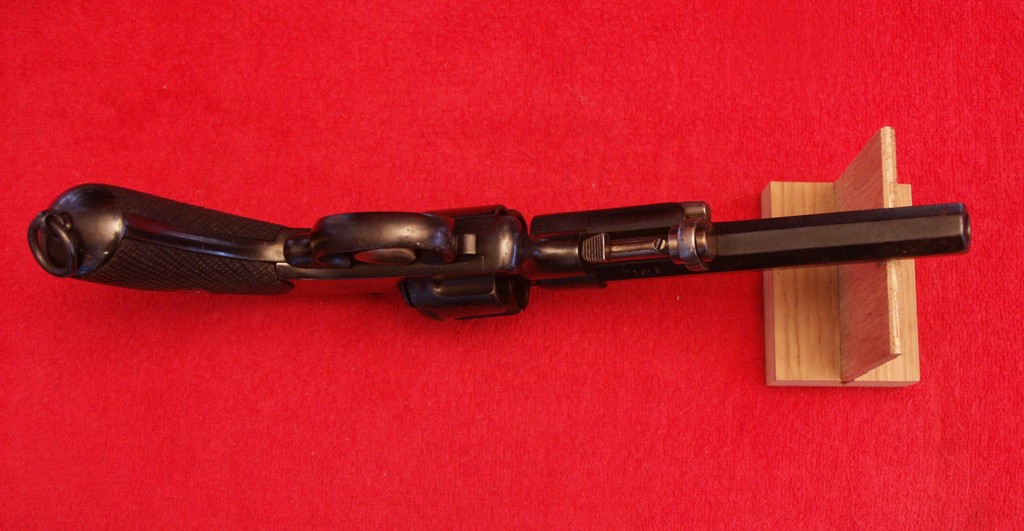
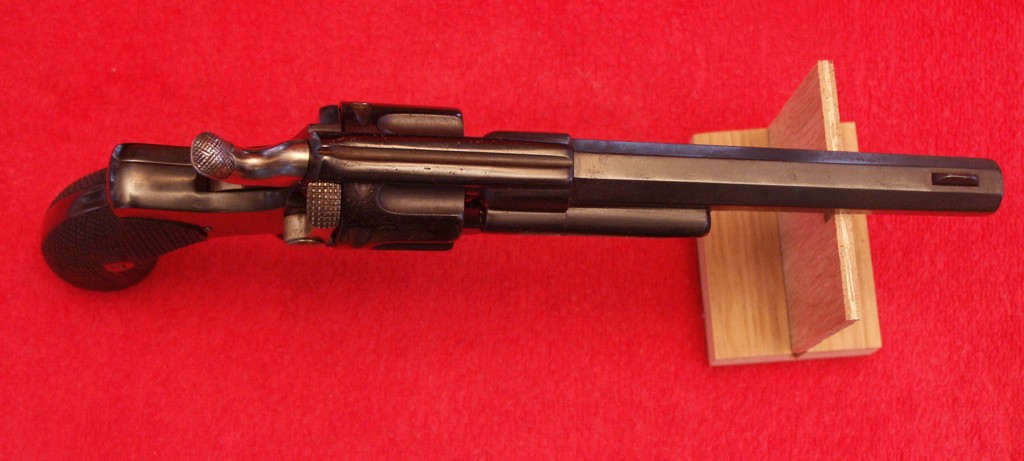
"Soleil" revolver, a model extensively described on the site.
This revolver is based on the system designed by
engineer Ismaël Abadie. According to Taylerson:
"The Abadie modification was the height of simplicity,
consisting merely of placing a suitable cam on the inner part of the loading
gate's pivot pin. When the gate was lowered, the pin rotated, and the integral
cam pushed the sear tail rearward, thereby disengaging the hammer from the
trigger. The trigger would then only lift the cylinder stop to rotate the
cylinder, without cocking the hammer. With the loading gate open and the hammer
at rest, the trigger could be pulled repeatedly without cocking the hammer! This
is why it was impossible to fire the weapon while loading or unloading it. The
chambers aligned quickly and automatically—without jamming—during unloading or
when using the ejector rod to remove spent casings from the cylinder. After
1887, an additional safety feature was implemented. If the loading gate was
open, the revolver could not be cocked. Alternatively, if the hammer was already
cocked and the gate was then operated, the hammer would fall but stop short of
striking the primer. This type of safety mechanism was not a groundbreaking
innovation in revolver design; ...a similar idea from Michaël Kaufmann—also
originally from Liège—having already preceded it, and the standard-issue British
Enfield self-extracting revolver also featured a loading-gate safety".
This
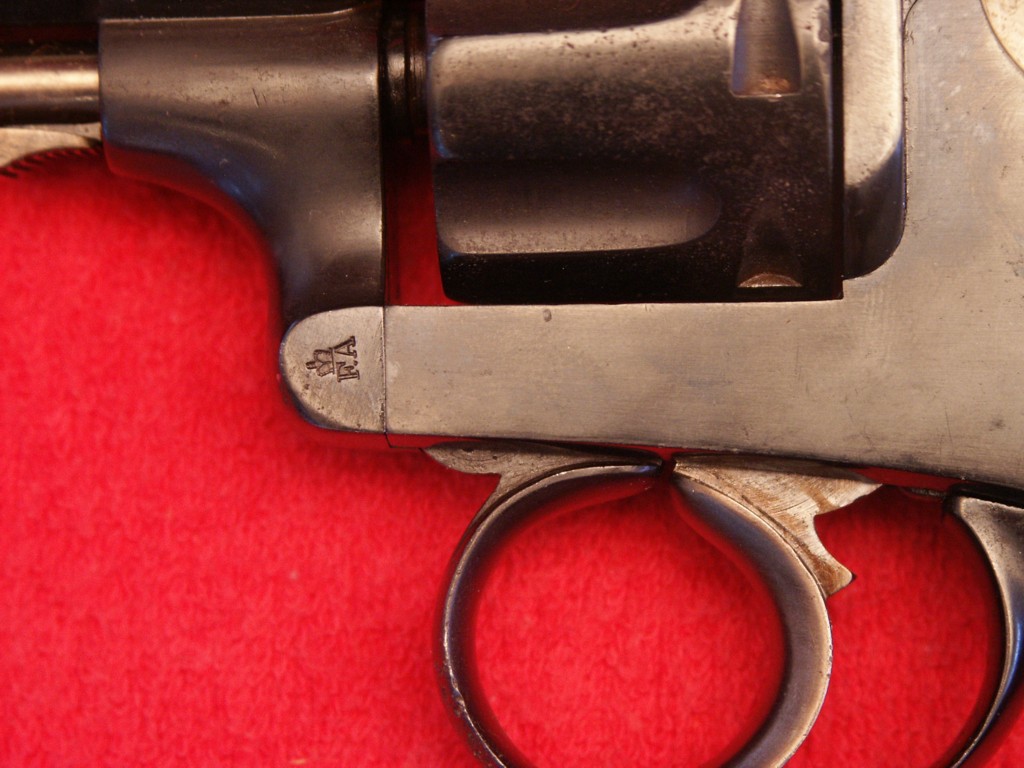
robust, reliable, and well-designed revolver was adopted by the Portuguese army
starting in 1875 and manufactured by L. Soleil in Liège. These weapons bore the
FA (*Fabrica de Armas*) inspection and acceptance mark of the Portuguese
authorities. A total of 12,000 units were delivered between 1878 and 1886.
Portugal thus became the first country to adopt a handgun cartridge smaller than
10 mm, specifically a 9 mm caliber. See:
https://www.secondeguerre.net/armement/armes-dinfanterie/revolver-modele-1886-abadie/
According
to the *Qui est qui de l’armurerie liégeoise* (Who’s Who of Liège Gunmaking),
several gunmakers bore the surname Soleil: Joseph (active 1872–1885), Léon
(active 1885–1897), Léonard, and Louis. It is known that the Liège gunmaker
Gustave Prevost—whose workshop was located at 27 Rue du Pot d’Or in Liège—was
the original purchaser of Ismaël Isaac Abadie’s patents. In 1881, he sold his
patents to Léonard Soleil, another gunsmith from Liège, who was based at 477 Rue
St Léonard. On June 13, 1889, on the verge of retirement, Léonard Soleil
transferred ownership of the Abadie patents to his son Léon, who continued to
manufacture the revolvers until 1897.
The
specimen examined here is part of the Portuguese contract and was therefore
manufactured between 1881 (when the patent was sold to the gunsmith Soleil) and
1886 (the end of the supply period for Portugal). This timeframe indicates that
the weapon originated from Léonard Soleil’s workshops, as his son Léon did not
hold the patents until 1889. However, it is possible—even likely—that the latter
collaborated with his father Léonard before taking over the business himself.
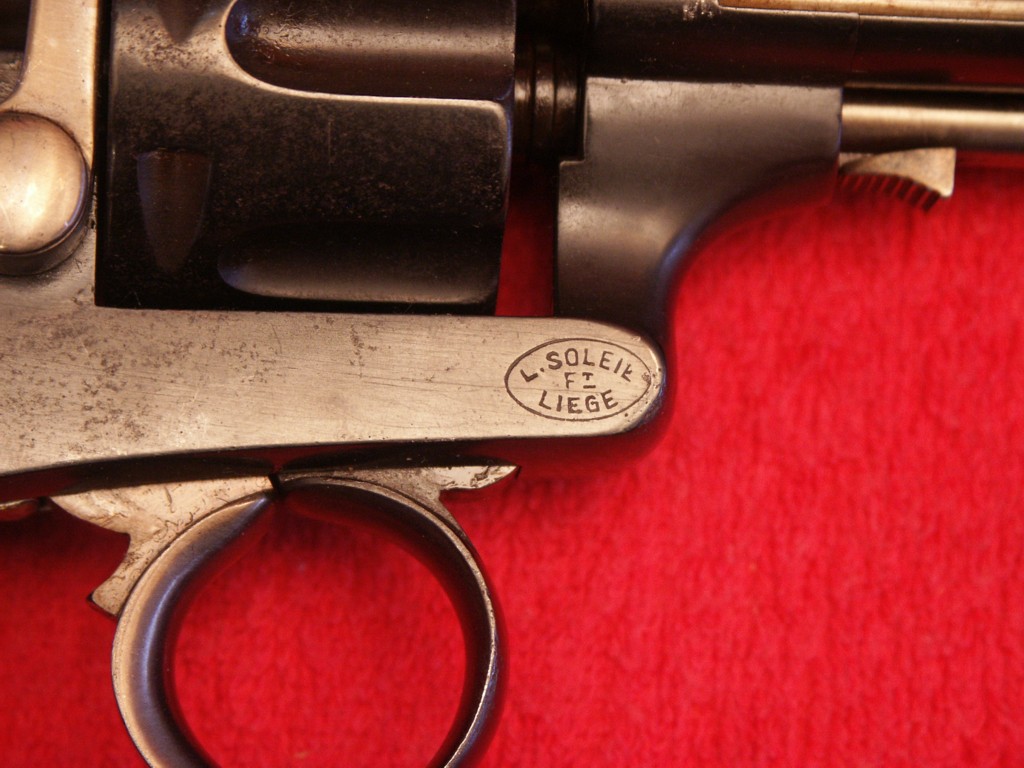
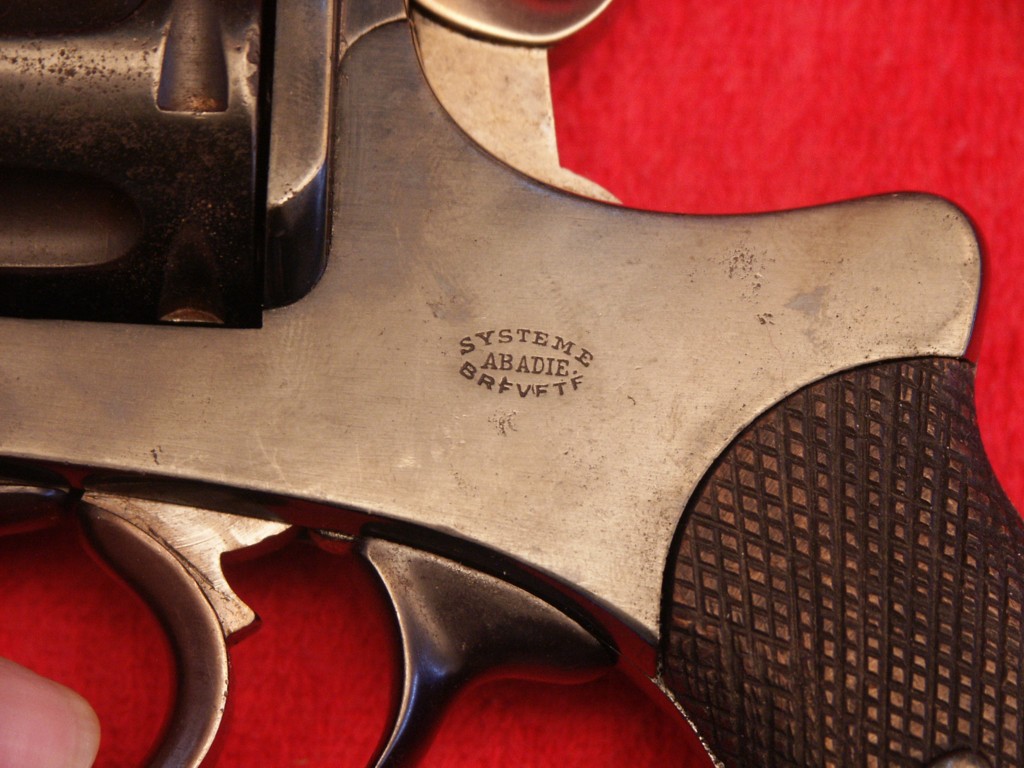
Markings:
L. Soleil
Ft à Liège: manufacturer's mark (Léonard Soleil)
Système
Abadie Breveté (Patented Abadie System)
FA under
a crown (Fabrica de Armas): Portuguese authorities' inspection and acceptance
mark (Portuguese contract)
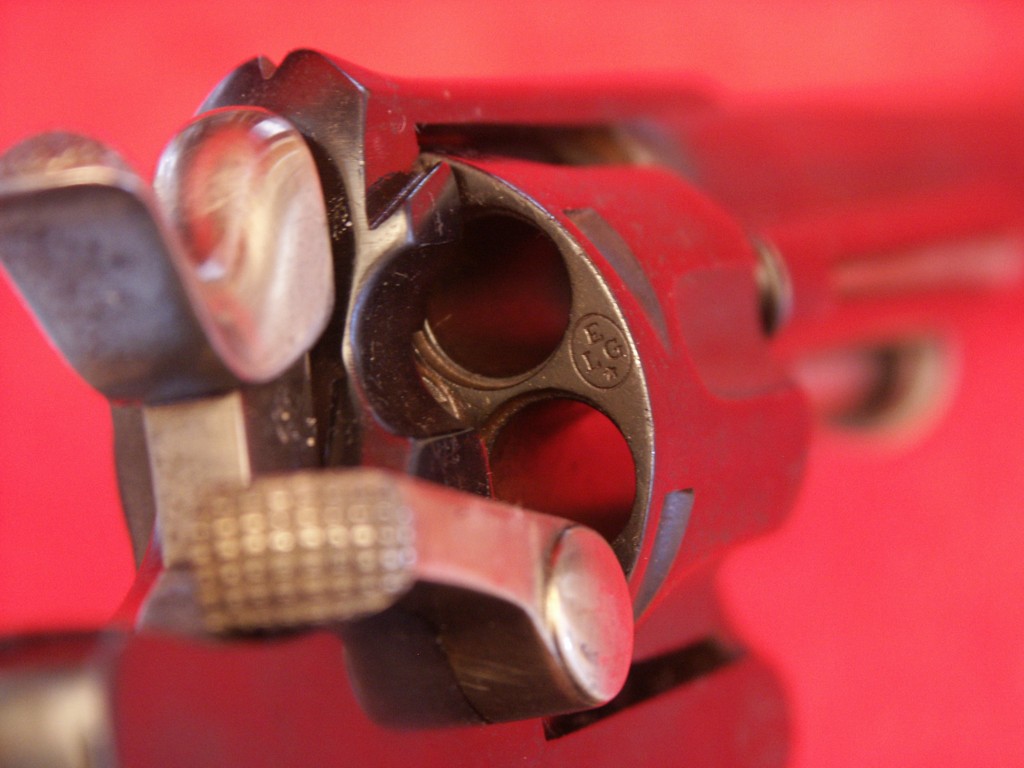
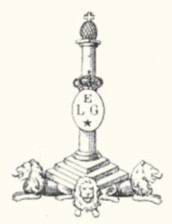
ELG over
a star inside an oval: proof house mark used from September 8, 1846, to July 11,
1893
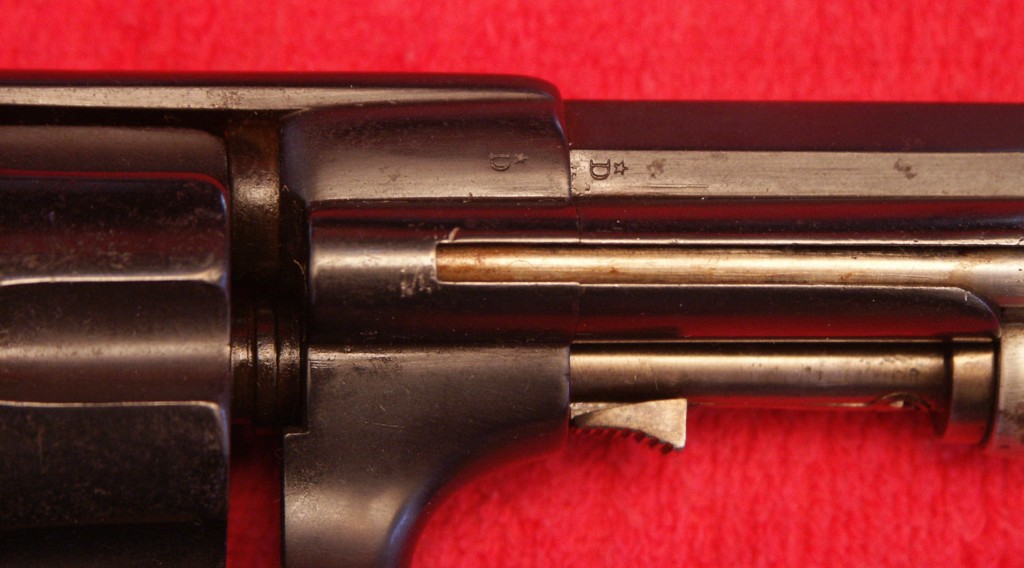
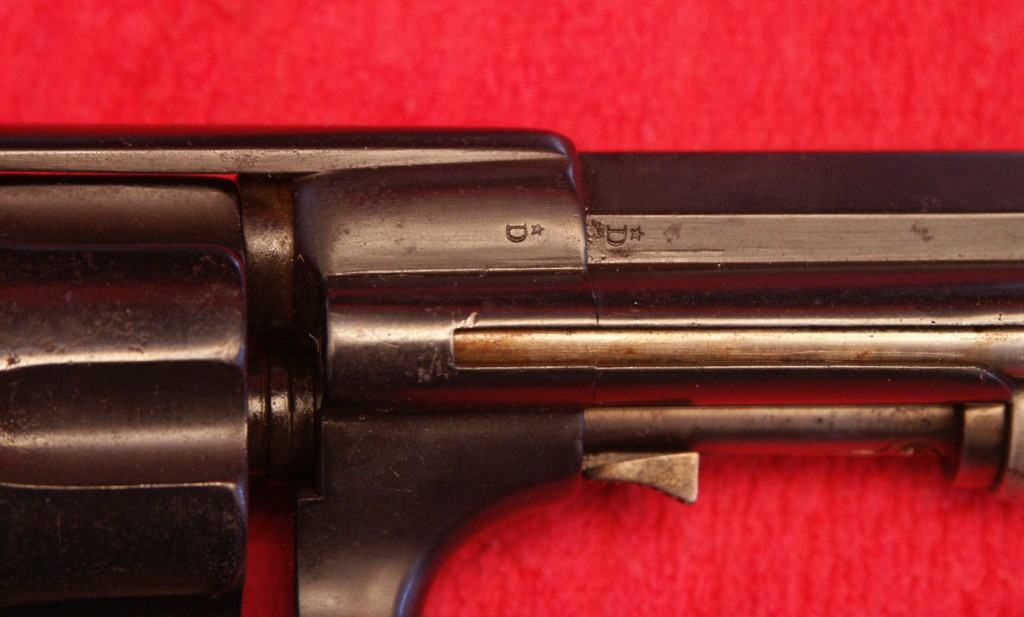
D under a
star: inspector's mark used from January 27, 1877
Chris, HPH,